
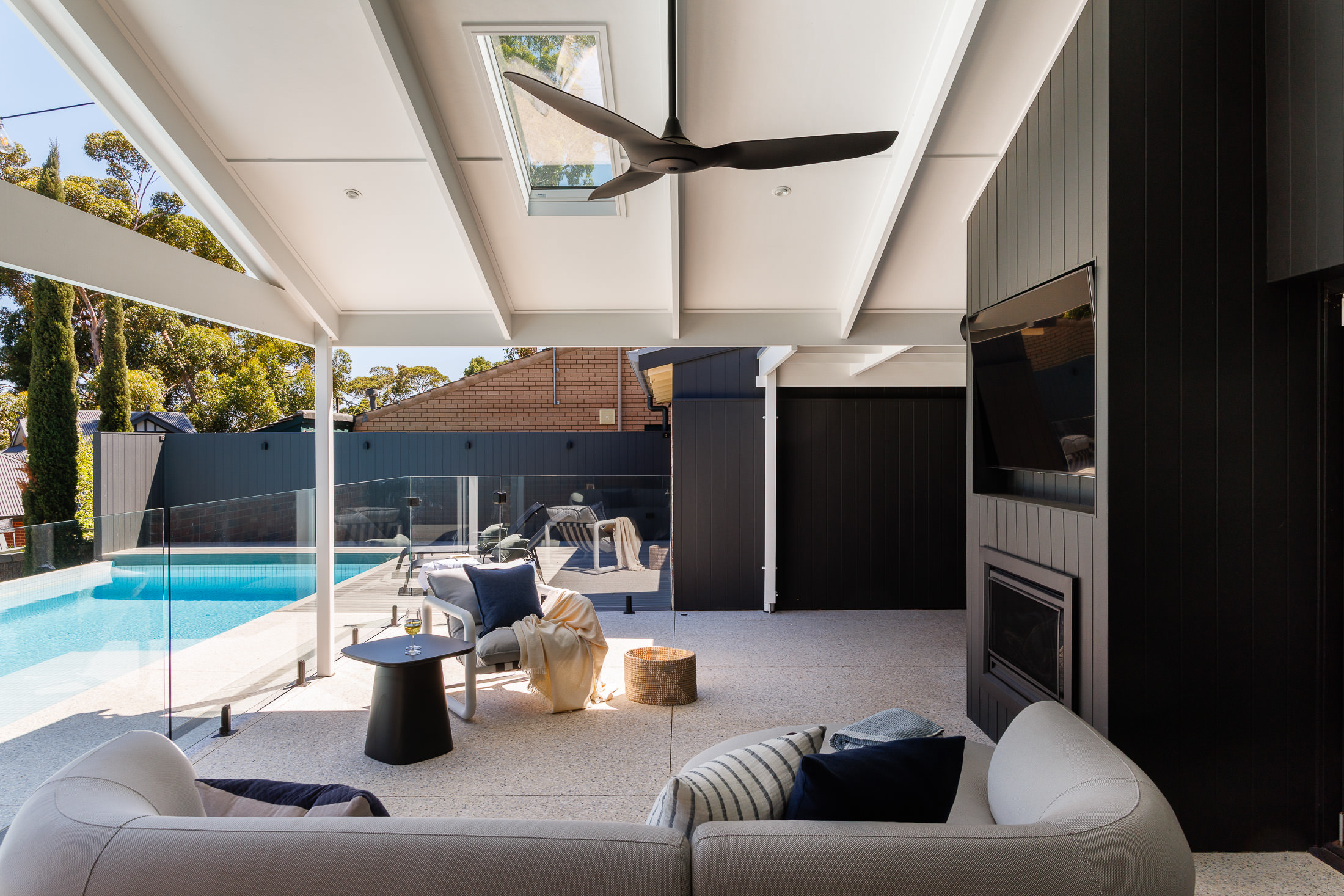
Have you ever driven past your renovation or build, only to find the site completely empty?
It’s a strange feeling, especially when you’re pouring so much time, money and energy into the project. You start wondering…
Is someone actually working on this?
Why isn’t someone here every day?
Has my job been pushed to the side?
It’s a totally fair question. But here’s something most people don’t realise:
Quiet days on site are normal and often, they’re a sign that a lot of things are happening behind the scenes to keep your project on track.
Understanding Who’s Actually Running Your Build
There’s often confusion around who does what in a building project.
In our industry, the term “builder” can mean a few different things, but what most people picture is someone physically swinging a hammer or onsite every day. In reality, that’s not always how professional builders operate, especially those running multiple projects or overseeing complex renovations.
So let’s clear it up.
The person in charge of your day-to-day build is usually called a project manager. He/she is responsible for making sure each stage of your job runs to plan.
They might not be on site every single day, but they are across every detail. Their job is to:
- Keep your job on schedule
- Line up the right trades at the right time
- Check the quality of every stage
- Communicate with you and the team
- Fix any issues before they become real problems
They don’t need to be on site 24/7 to do that. Instead, they float across multiple sites, making sure each one is progressing and nothing gets missed. They’re supported by a construction manager who oversees the bigger picture, and a director or master builder who makes sure systems and standards are followed across the company.
So even when you don’t see someone physically on site, there’s still a team involved in what’s happening that week.
Why It’s Not a Building Site 24/7
Now, you might be thinking that all sounds good, but it still feels odd seeing a quiet job site when your build is meant to be underway, and you still want to see people working.
Here’s why you may experience some quieter days:
- Scheduling: Sometimes trades can’t overlap. For example, you can’t install cabinetry if the floors haven’t finished curing.
- Lead Times: Custom homes and renovations often use made-to-order materials, especially high-end finishes. These can take weeks to arrive.
- Weather Delays: Rain, wind, or extreme heat can impact safety and slow down external work.
- Inspections & Approvals: Certain steps need a sign-off before the next can start.
- Time Between Trades: Each trade has a window to complete its work. If one job finishes early or late, the next one might not be booked until the following week.
So, while the site might look still, that doesn’t mean your job has been forgotten. Often, it just means things are being lined up behind the scenes so the next phase can start smoothly.
The Real Issue? Lack of Communication
The biggest problem isn’t the quiet site, it’s when no one tells you what’s going on.
We’ve spoken to so many homeowners who’ve felt anxious or frustrated simply because they weren’t being updated. And we don’t blame them. It’s hard to trust the process when you’re left guessing.
Without updates, it’s easy to assume the worst. That’s why a good builder won’t wait for you to ask. They’ll check in regularly, let you know what’s happening next, and explain any gaps in work.
You should never be chasing updates or left in the dark.
What to Expect From a Well-Run Project
With a professional team, it’s not about whether someone is physically on site every day. It’s about whether the job is being looked after properly.
Here’s what a well-run project looks like:
- There’s one dedicated project manager across your whole job (not a revolving door of people).
- You’re kept in the loop before, during and after every major stage.
- You’re not chasing for updates, they’re already scheduled. If there is a delay, you will be informed
- Even when no one’s on site, you know why and what’s happening next.
A good builder doesn’t hide from these questions; they walk you through them. They understand how personal this process is for you, and they take your trust seriously.
So, if you pass your build one day and see an empty site, take a breath.
It doesn’t always mean something’s gone wrong.
It could mean your team has planned ahead, scheduled trades properly, and is working behind the scenes to make sure the next stage runs smoothly.
But if you’re not getting answers or updates when you ask, that’s when it’s time to ask deeper questions.
Want a Builder Who Actually Keeps You in the Loop?
Let’s chat about your renovation or build. We’ll explain exactly how we keep you updated, what to expect at each stage, and how our team works to deliver a quality outcome.
Still doing your research? We’ve got you covered.
If you’re keen to learn more, here are a few blogs that might be worth a look:
[Secrets To Clear Communication With Your Builder]
[5 Important Things That Can Save You Time, Money, and Stress]
[How To Avoid Frustration And Misunderstanding With Your Builder]